
Currently reading

Girls to the Front: The True Story of the Riot Grrrl Revolution

Granta en español 11: Los mejores narradores jovenes en español


Diary of a Haunting
 I like the nod to early novels with the false author who introduces their found evidence/epistolary story. The buildup is very effective and the incidents with her brother in particular made me not want to read it before bed. The ending makes very little sense given what we have to go on as readers. I get that she's an unreliable narrator but this is taking it too far and using that as a cheat to force a twist in the story, IMO. However, I see that this is #1, so perhaps #2 will redeem that for me.

Daughters Unto Devils
 things I admired about Daughters Unto Devils
-seriously creepy imagery
-commitment to upping the stakes and not sparing any character
-short and to the point, but not so short that it felt unresolved
things that dampened my enjoyment:
- using phrases that seemed anachronistic to the time
- heavy allusions to "that thing that happened!" without just describing what happened
- the actual mechanism of the horror didn't make too much sense if you thought about it too long, but you don't really need to

Star-Crossed
 Very sweet middle grade romance, and unlike a lot of ya and middle grade fiction with a play at the center, it didn't feel like the references were forced (except for the quotes at the beginning of each chapter). Mattie realizing that her crush is actually a crush felt natural, and the friendships and social drama were also realistic.

White is for Witching
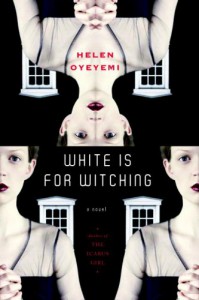 Took me a while to read because this is prose that demands you pay attention and not plow through it. The plot is important (and I haven't really seen a racist haunted house before but it makes so much sense!) but it's not the best part about this book. The horror is deep and matter of fact, and the switching of perspectives helps to disorient the reader and also bring you deeper into the psychology of the characters.

The Perks of Being a Wallflower
 Teen Me gives it 4.5 stars. Adult me more like 3. I appreciate how much Charlie cries! I didn't realize it as a teen. I was swept up in the story about finding friends who are like family. I felt like his voice was very naive to the point where it didn't square with him being sexual or people considering him a sexual being. Because of the format there's no way for us to see Charlie from outside of himself. The child abuse aspect is written in so obliquely that it's possible to read and not think of that as a major plot point, and it seems intentional? It's a story about Charlie opening up to himself. And that includes dealing with heavy trauma, but also finding out that you love your family and you can be resilient.

Blanca & Roja
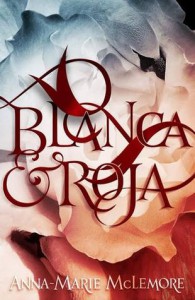 A slower read, one that I almost abandoned, but it grew on me. The kind of magical realism that takes place in a hard to pin down modern time (but not one with cell phones, I think). McLemore's ultra descriptive style I can see being too much for people; it's very lush and full of carefully chosen moments and imagery. Ultimately what kept me reading and (eventually) emotionally invested was the strength of the relationships between characters and how they grow in the time of the narrative, not their memories of their ties with each other. I think if I had read this as a teen it would be in my top 10.

Living Well: The New York Times Book Of Home Design And Decoration
this one's a keeper, especially if you, like me, enjoy fantasizing about having just enormous potted plants in your life but probably will never have them (or like 28 foot ceilings) (or a custom built console that controls all the electronics in your house)
Untitled
I don't really dig magical realism and I basically figured out what was happening early on, so at some points this felt like listening to someone extend an anecdote far too long, but it was affecting in the end.


Another
 While I always feel disdain when an author deliberately hides information so that it can be a twist when it should have really been part of the story, the strength of the weirdness of the curse was strong enough through the whole book so that the reveal didn't ruin it. It made it less powerful and I think Ayatsuji relies on this (it is in the 2 books I've read of his) when he is a good enough writer that he doesn't need to.
Also these kids and adults are so concerned with being polite that they make it harder to solve the mystery because they won't fully talk to each other, it's kind of hilarious.


truly, the design of the book does a lot of heavy lifting but I can't deny the hold of Ikea on the collective mind and therefore the effectiveness of the atmosphere and the horror it creates when things go weird.

American Wolf: A True Story of Survival and Obsession in the West
why yes I was sobbing at the end of this
The Graveyard Apartment: A Novel
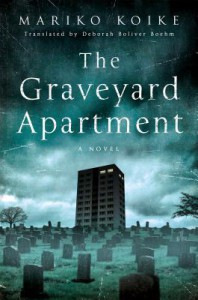 The (few) japanese translations I've read have had a rhythm of internal monologue and speech that I find really soothing, and I'm not sure if it has something to do with the structure of Japanese itself, but it lent an even quality to the tone of the events in this story that heightened the weirdness of what was going on. Some things this supernatural story has going for it include: atmosphere (I could feel the basement, I swear), commitment to sending its characters to the bleak fate that the terrorizing spirits demand, and not trying to provide a pat explanation for what is going on either.

Kindred
 maybe the best time travel book I've read? the only other one that comes close is that short story by DuMaurier.
